If you work with metal or have ever been near a machining process, you know that tiny metal shavings are a common byproduct. But what you may not know is that these shavings can be dangerous if inhaled or ingested. In this blog post, we will explore the dangers of metal shavings and how to protect yourself from them. We will also discuss how to dispose of them properly to avoid any potential hazards.
Welding Guide
Are metal shavings dangerous?
Published: 2024-01-31
Need Metal Welding Work?
Get a free quote from our expert welders
What Is a Metal Chip?
small pieces of metal that are shaved off of a larger piece of metal during the machining process. Metal chips can be sharp and dangerous, and if inhaled, they can cause serious health problems.
Smoking Chips
Most people don't know that metal shavings can be extremely dangerous. If inhaled, they can cause lung cancer. Metal shavings can also be ingested and cause stomach ulcers.
Preventing Smoke
When it comes to preventing metal shavings from becoming a fire hazard, there are a few key things to keep in mind. First, make sure that any flammable materials are kept away from where the shavings will be produced. This includes anything from oily rags to paper products.
Second, keep your work area well-ventilated. This will help to prevent any accumulation of combustible fumes that could ignite and cause a fire.
Finally, always use appropriate safety equipment when working with metal shavings. This includes gloves, eye protection, and respiratory protection if needed. By following these simple precautions, you can help to prevent a potential fire hazard before it has a chance to start.
Can Breathing Metal Dust Hurt You?
When it comes to inhaling metal dust, there are a few things to consider. First, the type of metal will play a role in how dangerous it is. For example, iron is generally considered to be less harmful than lead. Second, the size of the particles is also important - smaller particles can be more dangerous because they can penetrate further into your lungs. Finally, the amount of time you're exposed to the dust will also affect how harmful it is - prolonged exposure is more likely to cause problems.
So, can breathing metal dust hurt you? It depends on all of these factors. In general, however, it's best to avoid breathing in any kind of metal dust if possible. If you're going to be working with metals, make sure to wear a dust mask and take other precautions to minimize your exposure.
What Are the Examples of Metal That Can Bring Danger to Your Health?
There are a few examples of metal that can be dangerous to your health if ingested. These include lead, cadmium, and mercury. All of these metals can be found in various items around the house, so it's important to be aware of where they're located and how to avoid exposure.
Lead is often used in paint, pipes, and other construction materials. If these materials are damaged or old, they can release lead into the air. Inhaling lead dust can cause serious health problems, including brain damage and kidney disease.
Cadmium is another metal that can be found in batteries, soldering materials, and some types of plastic. Like lead, inhaling cadmium dust can cause health problems such as lung damage and cancer.
Mercury is a liquid metal that is found in thermometers, dental fillings, light bulbs, and some types of fish. Mercury exposure can cause neurological problems such as memory loss and tremors. It is especially harmful to developing fetuses and young children.
If you work with metal shavings regularly, it's important to be aware of the potential dangers they pose. Metal shavings can contain harmful chemicals that can be released into the air, and they can also be sharp and cause injuries if you're not careful.
Here are a few things to keep in mind if you have high levels of exposure to metal shavings:
-Wear protective clothing, including gloves, a mask, and eye protection.
-Be aware of your surroundings and make sure there are no areas where metal shavings could accumulate and pose a tripping hazard.
-Keep work areas well-ventilated to reduce your exposure to harmful chemicals.
-Dispose of metal shavings properly in sealed containers so they don't end up in an environment where they could harm wildlife or contaminate water supplies.
What Are the Causes of Heavy Metal Poisoning?
There are many potential causes of heavy metal poisoning. Exposure to lead can occur through paint, pipes, and other sources. Mercury can be found in fish, dental fillings, and certain types of light bulbs. Cadmium is emitted from burning coal and can be found in batteries. Arsenic is in some pesticides and treated wood.
Heavy metal poisoning can also occur due to exposure to contaminated water or soil. This might happen if there is an industrial spill or if someone is using hazardous materials without proper safety precautions. Some people who work with metals or who live near mining operations are also at risk for heavy metal poisoning.
Need Metal Welding Work?
Our expert welders are ready to help with your project. Call us now for a free quote.
Call Us NowWhat Are the Symptoms of Heavy Metal Poisoning?
It's important to know the symptoms of heavy metal poisoning, as they can be very serious. Heavy metal poisoning can cause several different symptoms, including:
- -Gastrointestinal problems like nausea, vomiting, and diarrhea
- -Muscle weakness and pain
- -Joint pain
- -Fatigue
- -Brain fog and memory problems
- -Mood changes and personality changes
- -Problems with vision or hearing
If you experience any of these symptoms after coming into contact with metal shavings, it's important to seek medical attention immediately. Heavy metal poisoning can be very dangerous, and even fatal if not treated promptly.
What Are the Treatments for Metal Poisoning?
There are a few different treatments for metal poisoning, depending on the severity of the poisoning. For milder cases, chelation therapy can be used. This is where a chemical is injected into the bloodstream and binds to the metal, allowing it to be flushed out of the body.
For more severe cases, where there is damage to organs or the nervous system, there may be a need for more intensive treatment such as dialysis or even surgery. In very rare cases, a bone marrow transplant may also be necessary.
How to Prevent Heavy Metal Poisoning?
If you think you may have been exposed to heavy metal poisoning, it is important to seek medical attention immediately. There are a few things you can do to prevent exposure in the first place:
-Avoid using old or second-hand metal objects, as they may be contaminated.
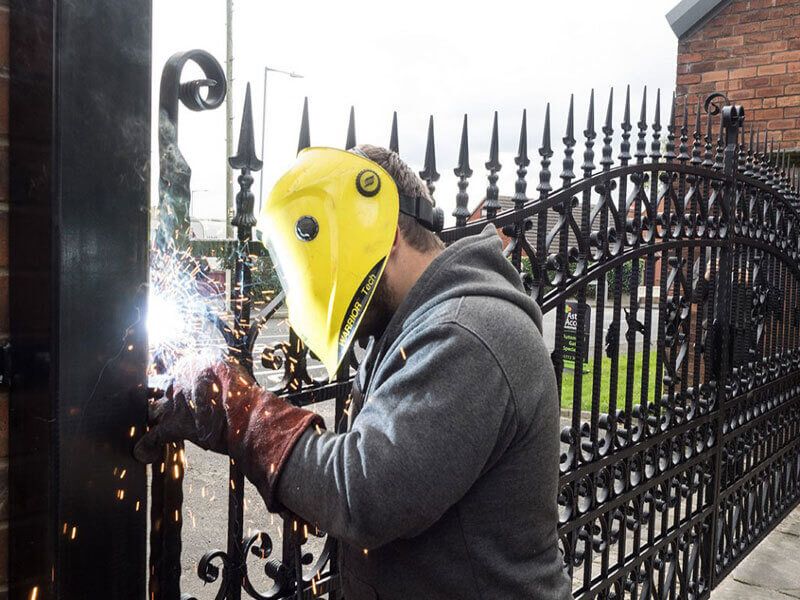
-Wear gloves and a face mask when handling metal shavings or working with metals.
-Make sure your workspace is clean and free of metal dust.
-Wash your hands thoroughly after working with metals.
Our Welding Services
Looking for professional welding work? Check out our full range of services.
Request a FREE Quote!
Or call us directly on 0426 416 748
More Welding Guides

4 Different Types of Welding Processes
The welding process is an important one in the manufacturing industry. It s a method used to join two or more pieces of metal together by using heat and pressure. The pressure is applied with an electrode, which is then connected to a power source. Welding is used in a variety of industries, including construction, automotive, aerospace, and more. It s a versatile process that can be used to create everything from small parts to large structures. There are four different types of welding process
Read Guide
4 Types of Steel: What Makes Them Different?
Steel is one of the most common materials used in manufacturing and construction. It s strong, durable, and versatile, which makes it ideal for a wide range of applications. But did you know that there are different types of steel? In this blog post, we ll be taking a look at four of the most common types of steel and what sets them apart. Carbon Steel Carbon steel is one of the most common and versatile types of steel. It s composed of iron and carbon, which gives it a wide range of properties
Read Guide
Different Sorts Of Steel Metals
If you re in the steel market, you might be overwhelmed by all of the available different types. How do you know which one is right for your project? In this blog post, we will explore the four most common types of steel and their key differences. From carbon steel to stainless steel and more, read on to learn about each type of steel and what sets it apart from the rest. There are dozens of types of steel, each with unique chemical and physical properties. In this article, we ll take a look at
Read Guide
Which Metal Will Burn? Australian General Engineering
Which Metal Will Burn? Australian General Engineering Have you ever wondered which metal will burn? We all know that metal is a good conductor of heat, but did you know that some metals are more flammable than others? In this blog post, we ll take a look at the different flammability levels of various metals, so you can be informed the next time you re working with them. We ll also explore how to extinguish a metal fire, in case you ever find yourself in that situation. What is the Difference Be
Read GuideWhat things need to be considered for Welding Goggles ?
There are a lot of things that need to consider before purchasing welding goggles. In this blog post, we will discuss those things in detail so that you can make an informed decision. The first thing that you need to consider is the type of welding torch you will be using. There are two types of welding torche's available in the market gas and plasma. If you are using a gas welding torch, then you need to purchase gas welding goggles. On the other hand, if you are using a plasma welding torch, th
Read Guide
What's the Best Way to Cut Steel Wire Rope?
What is the process of Cut Steel Cable? Cutting steel cable is a process that requires the use of a specialized cutting tool. The most common type of cutting tool for this purpose is a rotary cutter, which uses a rotating blade to cut through the cable. There are also handheld cutting tools available that can be used to cut steel cables, but these are not as common. To cut steel cable with a rotary cutter, first make sure that the cutting tool is properly positioned and secured. Next, align the
Read Guide