Welding is a process of joining two or more pieces of metal together by heating the metal until it melts and then fusing it. Welding is used in a variety of industries, from construction to automotive to manufacturing. If you're interested in becoming a welder, there are a few things you need to know. In this complete guide, we will cover everything from what welding is and what types of welding there are, to how to become a certified welder. Read on to learn everything you need to know about welding!
Welding Guide
How to Become A Certified Welder (A Complete Guide)
Published: 2024-01-31
Need Metal Welding Work?
Get a free quote from our expert welders
What is welding?
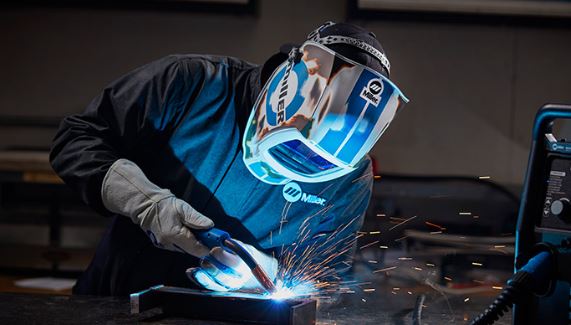
Welding is a process of joining two or more pieces of metal together by melting them and using a filler material to form a strong bond. The most common welding processes are oxy-fuel welding, arc welding, and tungsten inert gas (TIG) welding.
In oxy-fuel welding, also known as gas welding, the heat for melting the metal comes from burning a fuel gas, such as acetylene, propane, or natural gas. In arc welding, an electric arc between the electrode and the workpiece produces the heat for melting the metal. In TIG welding, an electric arc is used to heat the metal, but there is no filler material; instead, the weld is made by adding melted metal to the joint.
Welding can be used to join metals of different types, such as steel to aluminium. It can also be used to repair broken or cracked metal parts.
The different types of welding
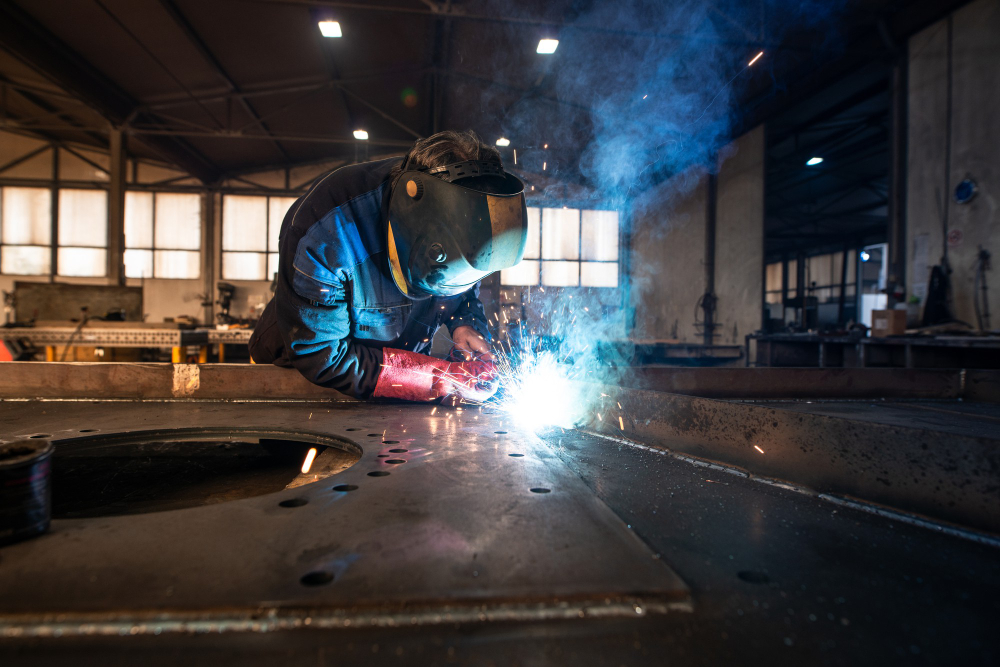
There are many different types of welding, each with its advantages and disadvantages. The most common types of welding are MIG welding, TIG welding, and Stick welding.
MIG welding, or Metal Inert Gas welding, is a type of welding that uses a wire electrode that is fed through a welding gun. The electrode melts and becomes part of the weld pool. MIG welders can be used to weld most metals, including aluminium and stainless steel.
TIG welding, or Tungsten Inert Gas welding, is a type of welding that uses a non-consumable tungsten electrode to create the weld pool. TIG welders can be used to weld most metals, including aluminium and stainless steel.
Stick welding, or Shielded Metal Arc Welding, is a type of welding that uses an electrode that is coated with flux to create the weld pool. Stick welders can be used to weld most metals, including aluminium and stainless steel.
The benefits of welding
Welding is a process of joining two pieces of material together using high heat. This process can be used to join metals, plastics, and other materials. Welding can be used to create or repair structures, machines, and other objects.
There are many benefits to welding. Welding can be used to create strong and durable joints. It can also be used to repair damaged metal objects. Additionally, welding can be used to create custom shapes and designs.
If you are interested in becoming a welder, there are many welding schools and certification programs available. These programs will teach you the skills you need to become a certified welder.
The disadvantages of welding
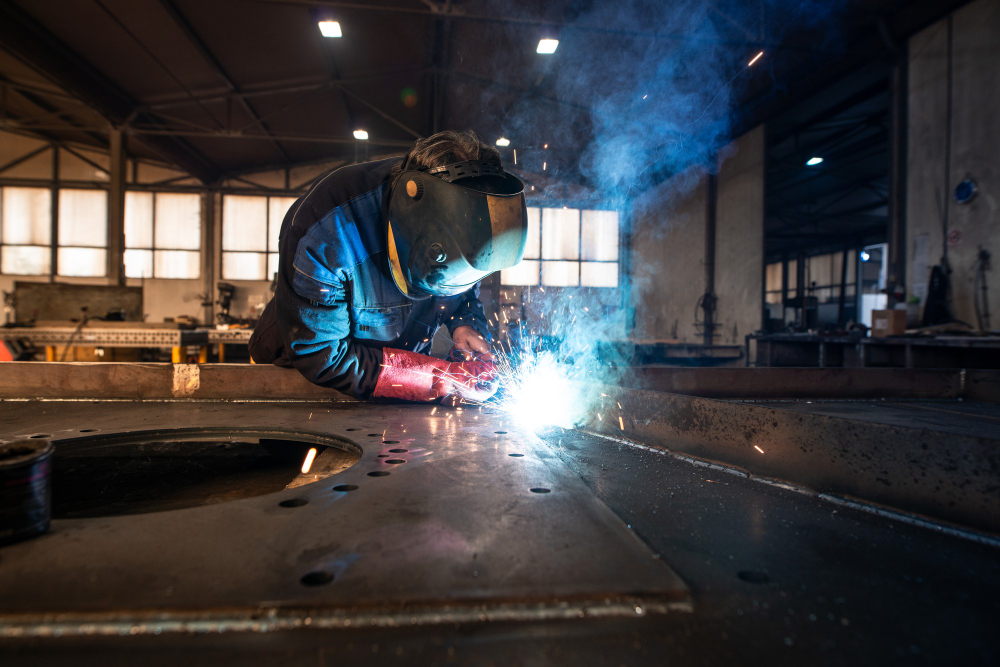
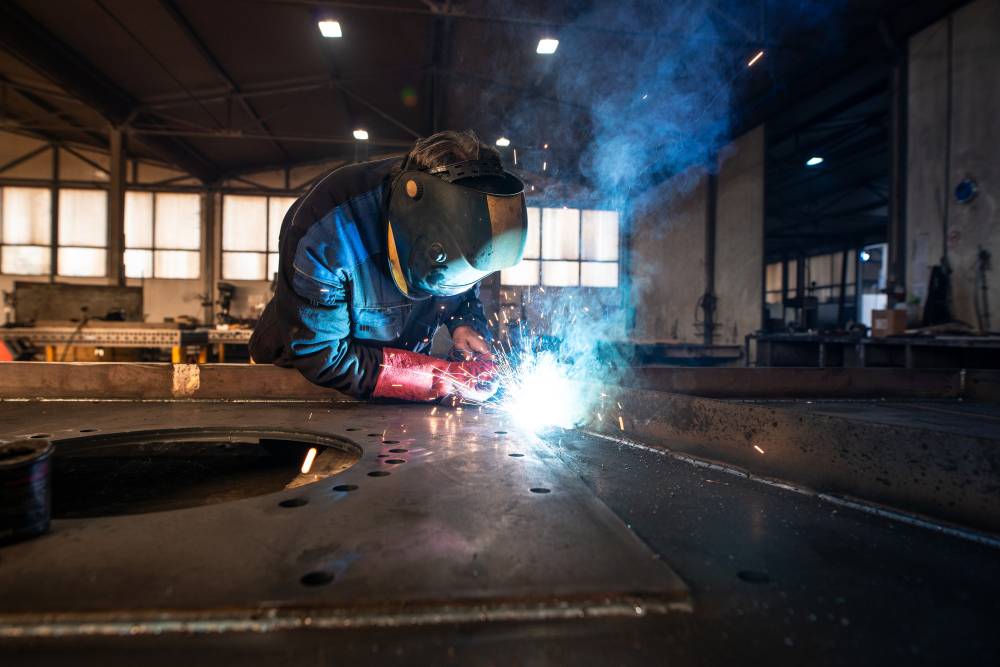
Welding can be a dangerous profession if the welder is not properly trained and does not follow safety precautions. Some of the risks associated with welding include:
- Burns: Welders are at risk for burns from the heat of the welding arc and hot metal splashes.
- Eye Damage: The bright light of the welding arc can damage a welder's eyesight.
- respiratory problems: Welding can release harmful fumes and particles into the air, which can cause respiratory problems.
- Electrical Hazards: Welders are also at risk for electrical shock from exposure to live electrical wires.
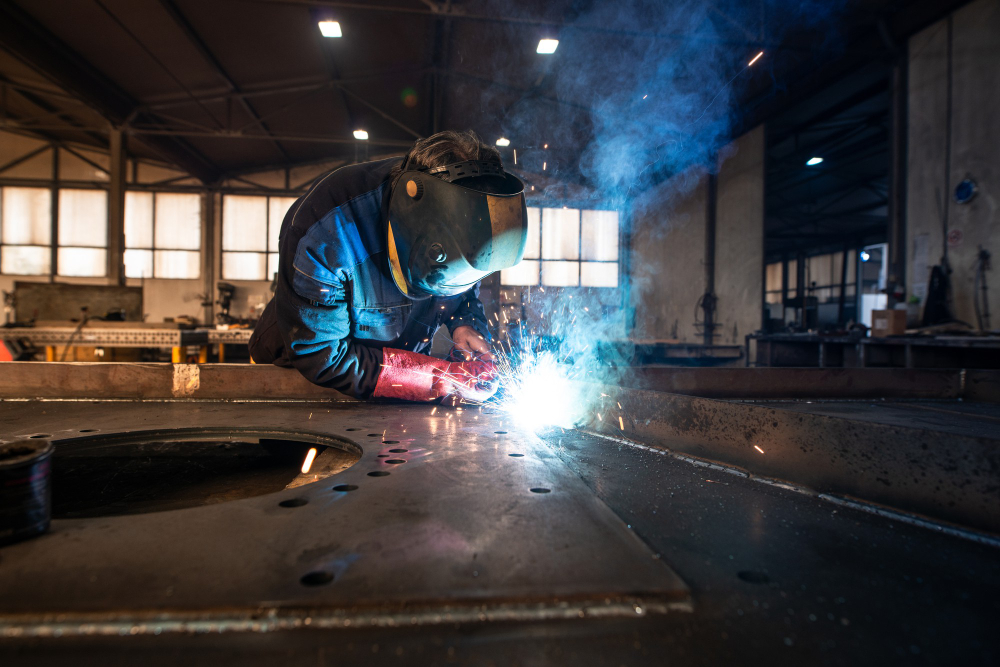
Need Metal Welding Work?
Our expert welders are ready to help with your project. Call us now for a free quote.
Call Us NowHow to become a certified welder
To become a certified welder, there are a few steps that you will need to follow. First, you will need to complete an accredited welding program. Once you have completed a welding program, you will then need to pass a welding certification exam. After passing the welding certification exam, you will be able to apply for welding jobs.
What you need to know before becoming a welder
There are a few things you should know before becoming a welder. First, you need to have a high school diploma or equivalent. You will also need to complete an accredited welding program. After that, you'll need to get certified by the American Welding Society (AWS). Finally, you'll need to find a job in a welding shop or elsewhere that suits your skills.
Steps to Certification
There are a few steps you'll need to take to become a certified welder. Here's a complete guide:
- Enroll in a welding program at a trade school or community college.
- Complete an apprenticeship program.
- Get certified by the American Welding Society (AWS).
- Get licensed by your state, if required.
- Find employment as a welder.
Welding programs typically last about two years and will give you the basic knowledge and skills you need to start your career as a welder. During your program, you'll learn about different types of welding, safety procedures, and blueprint reading, among other things.
Once you've completed a welding program, you'll likely need to complete an apprenticeship before you can get certified by the AWS. Apprenticeships usually last about three years and will give you on-the-job training under the supervision of experienced welders.
After completing an apprenticeship or having at least four years of experience as a welder, you can apply for certification through AWS. To become certified, you'll need to pass an exam that tests your knowledge of welding safety and procedures, as well as your ability to perform various welding tasks.
Some states also require welders to be licensed to work; however, requirements vary from state to state. Licensing generally involves passing an
1. Research
The first step to becoming a certified welder is doing your research. You need to know what welding is and what it entails. There are many different types of welding, and each type requires different skills and knowledge. You also need to know the different certification organizations, and what their requirements are. Once you have all this information, you can start looking for welding schools or programs that offer certification.
2. Find Some Training
There are many ways to find training to become a welder. There are trade schools, community colleges, and private welding schools. Each has its advantages and disadvantages.
Trade schools offer vocational programs that can be completed in a shorter amount of time than traditional college programs. They also tend to be less expensive. The downside is that trade schools may not offer the same level of education as a community college or private welding school.
Community colleges offer two-year programs that prepare students for a career in welding. These programs are typically more affordable than private schools. However, they may not offer the same level of education or training as a private welding school.
Private welding schools offer comprehensive training programs that last anywhere from six weeks to two years. These programs typically provide the most thorough education and training, but they also tend to be more expensive than trade schools or community colleges.
3. Practice
If you want to become a certified welder, you'll need to get some experience under your belt. The best way to do this is to find an apprenticeship or other welding training program. Once you've completed a welding training program, you'll need to pass a welding certification test administered by the American Welding Society (AWS).
There are many different types of welding certifications, but the most common one is the Certified Welder (CW) credential. To earn your CW credential, you'll need to pass a written welding safety exam and a practical welding exam. The practical exam will require you to weld two joints using various welding processes.
Once you've earned your CW credential, you'll be able to work as a certified welder in any state in the country.
4. Take the Test
If you want to become a certified welder, you'll need to take a welding test. There are many different types of welding tests, but most certification programs require you to pass a written exam and a practical welding test.
The written exam will test your knowledge of welding safety, metallurgy, and welding symbols. You'll also be asked questions about different types of welding processes and techniques. The practical welding test will assess your skills in performing various welding tasks.
Most certification programs require you to have at least two years of welding experience before taking the test. However, some programs will allow you to take the test without any experience if you complete an accredited welding program.
5. Gain Your Certification
There are a few different ways that you can go about becoming a certified welder. One of the most common ways is to take a welding course at a trade school or community college. These courses will teach you the basics of welding and will give you the opportunity to become certified through the American Welding Society (AWS).
Another way to become certified is to find an apprenticeship program. Apprenticeship programs are typically sponsored by employer associations or unions, and they provide on-the-job training as well as classroom instruction. Once you complete an apprenticeship program, you'll be able to take the AWS certification exam.
Finally, some employers may require that you have your certification before they hire you. In this case, you can self-study for the exam or find a welding course that offers certification. Once you pass the exam, you'll be officially certified and ready to start your career as a welder!
Key Takeaways
- ✓ Always use proper safety equipment when welding or working with metal
- ✓ Choose the right welding technique for your specific material and project
- ✓ For professional results, contact licensed and certified welders
Need help with your project? Call Sydney Welding on 0426 416 748 for a free quote.


Conclusion
There you have it - a complete guide on how to become a certified welder. This profession can be very rewarding, both financially and emotionally. If you have a passion for welding and want to turn it into a career, then following these steps will help you achieve your goals.
Our Welding Services
Looking for professional welding work? Check out our full range of services.
Request a FREE Quote!
Or call us directly on 0426 416 748
More Welding Guides

4 Different Types of Welding Processes
The welding process is an important one in the manufacturing industry. It s a method used to join two or more pieces of metal together by using heat and pressure. The pressure is applied with an electrode, which is then connected to a power source. Welding is used in a variety of industries, including construction, automotive, aerospace, and more. It s a versatile process that can be used to create everything from small parts to large structures. There are four different types of welding process
Read Guide
4 Types of Steel: What Makes Them Different?
Steel is one of the most common materials used in manufacturing and construction. It s strong, durable, and versatile, which makes it ideal for a wide range of applications. But did you know that there are different types of steel? In this blog post, we ll be taking a look at four of the most common types of steel and what sets them apart. Carbon Steel Carbon steel is one of the most common and versatile types of steel. It s composed of iron and carbon, which gives it a wide range of properties
Read Guide
Different Sorts Of Steel Metals
If you re in the steel market, you might be overwhelmed by all of the available different types. How do you know which one is right for your project? In this blog post, we will explore the four most common types of steel and their key differences. From carbon steel to stainless steel and more, read on to learn about each type of steel and what sets it apart from the rest. There are dozens of types of steel, each with unique chemical and physical properties. In this article, we ll take a look at
Read Guide
Which Metal Will Burn? Australian General Engineering
Which Metal Will Burn? Australian General Engineering Have you ever wondered which metal will burn? We all know that metal is a good conductor of heat, but did you know that some metals are more flammable than others? In this blog post, we ll take a look at the different flammability levels of various metals, so you can be informed the next time you re working with them. We ll also explore how to extinguish a metal fire, in case you ever find yourself in that situation. What is the Difference Be
Read GuideWhat things need to be considered for Welding Goggles ?
There are a lot of things that need to consider before purchasing welding goggles. In this blog post, we will discuss those things in detail so that you can make an informed decision. The first thing that you need to consider is the type of welding torch you will be using. There are two types of welding torche's available in the market gas and plasma. If you are using a gas welding torch, then you need to purchase gas welding goggles. On the other hand, if you are using a plasma welding torch, th
Read Guide
What's the Best Way to Cut Steel Wire Rope?
What is the process of Cut Steel Cable? Cutting steel cable is a process that requires the use of a specialized cutting tool. The most common type of cutting tool for this purpose is a rotary cutter, which uses a rotating blade to cut through the cable. There are also handheld cutting tools available that can be used to cut steel cables, but these are not as common. To cut steel cable with a rotary cutter, first make sure that the cutting tool is properly positioned and secured. Next, align the
Read Guide