Types of Angle Grinder Discs
There are several types of angle grinder discs on the market:
- Metal Cutting Discs: These discs are designed for cutting metal, and they come in a variety of sizes and thicknesses to suit different tasks. The most common size is 4.5 inches, but you can also find discs in 3 and 5-inch sizes.
- Masonry Cutting Discs: These discs are designed for cutting masonries, such as bricks and concrete. They usually have a diamond-tipped blade and come in a variety of sizes to suit different tasks.
- Grinding Discs: These discs are designed for grinding metal, masonry, or concrete. They come in a variety of sizes and grits to suit different tasks. The most common size is 4.5 inches, but you can also find discs in 3 and 5-inch sizes.
- Wire Brush Discs: These discs are designed for cleaning or polishing metal surfaces. They have wire bristles that remove rust, paint, or other debris from the surface being cleaned. Wire brush discs come in a variety of sizes to fit different angle grinders.
Paint Stripping Discs
Paint stripping discs are specially designed to remove paint from surfaces. They are made of abrasive materials that quickly strip away paint without damaging the underlying surface. Paint stripping discs are available in a variety of sizes and grits to suit your specific needs.
Paint stripping discs are an essential tool for anyone looking to remove paint from a surface. They can be used on a variety of materials, including wood, metal, and plastic. Paint stripping discs are available in a variety of sizes and grits to suit your specific needs. When choosing a paint stripping disc, be sure to select one that is compatible with your angle grinder.
Safety Tips
As with any power tool, safety is of the utmost importance when using an angle grinder. Here are some tips to keep in mind:
Wear proper protective gear, including eye protection. Never use a disc that is damaged or deformed.
Always use the correct type and size of disc for your particular angle grinder. Be aware of your surroundings and make sure there is nothing in the way that could be damaged by the angle grinder. Do not force the tool - let it do the work at its own pace.
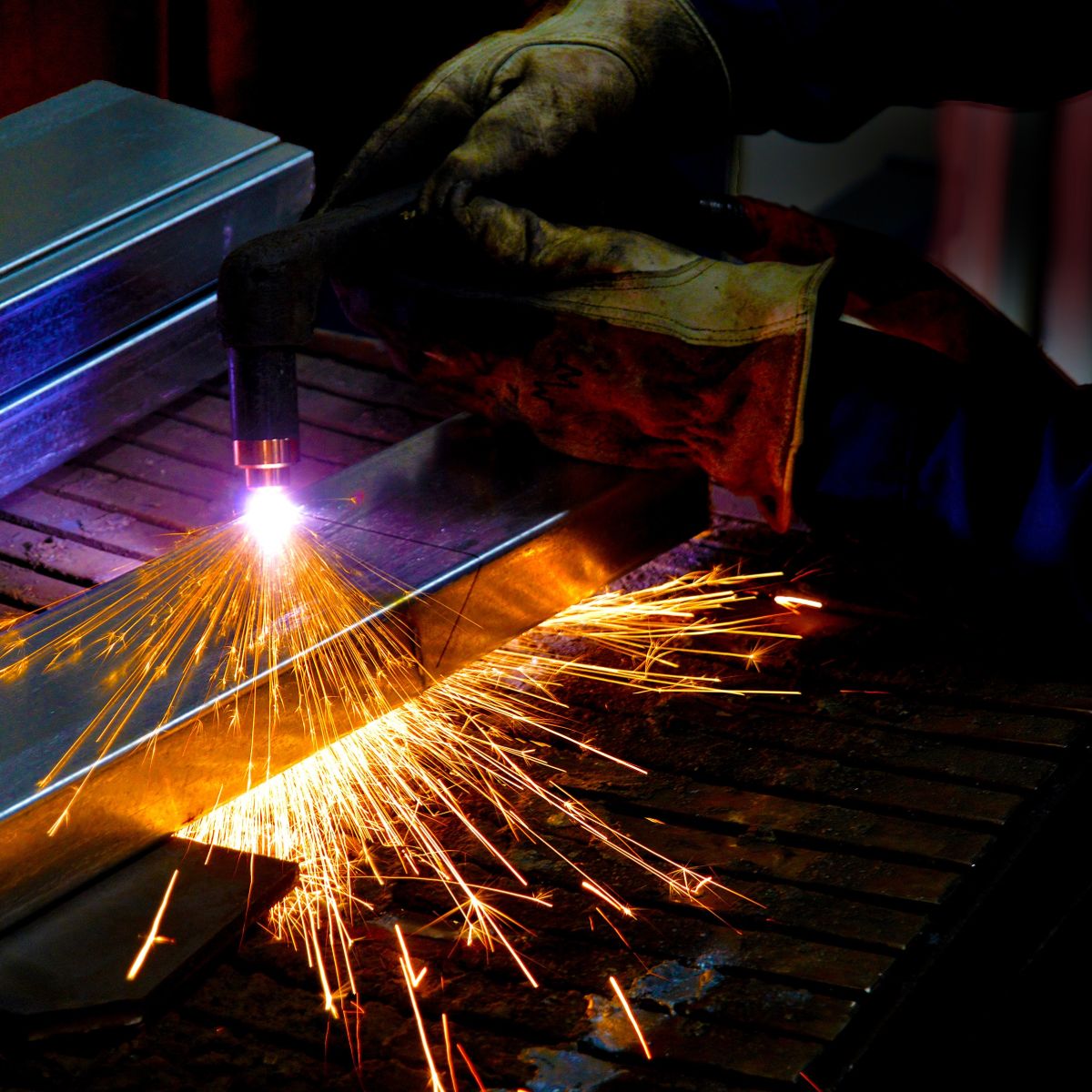
Cutting metal
If you're looking to cut metal, then you're going to need a good angle grinder and the right disc. There are a few different types of discs that are designed for cutting metal, and each has its benefits and drawbacks.
The most common type of disc for cutting metal is the abrasive cutoff wheel. These discs are made from a variety of materials, but they all work in essentially the same way. Abrasive cutoff wheels are very thin - usually around 1/16″ thick - and they're designed to be used with an angle grinder at high speeds.
Abrasive cutoff wheels will cut through most metals quickly and easily, but they do have their limitations. They can be damaged by heat, so if you're cutting something that's particularly thick or hard, you may need to use a different type of disc. And because they're so thin, they can be broken if you hit them against something while they're spinning.
Another type of disc that can be used for cutting metal is a diamond blade. Diamond blades are much more durable than abrasive cutoff wheels, so they can stand up to tougher cuts. They're also less likely to be damaged by heat, making them a good choice for cutting thicker metals. However, diamond blades are more expensive than abrasive cutoff wheels, so they may not be the best choice if you're working on a budget.
Grinding stone and concrete
Angle grinders are versatile tools that can be used for a variety of different applications. The most common use for an angle grinder is to grind down metal or concrete. This is because the blades on an angle grinder are designed to handle these materials.
There are a few different types of discs that can be used on an angle grinder, each designed for a specific purpose.
- Grinding stones and concrete: For grinding down metal or concrete, you will need a disc that is specifically designed for this purpose. These discs are usually made from abrasive materials like aluminium oxide or silicon carbide.
- Cutting metals: If you need to cut through metal, you will need a cutting disc. These discs are usually made from thinner and harder materials like steel or tungsten carbide.
- Polishing: If you want to polish something, you will need a polishing disc. These discs usually have a softer material like wool or cotton attached to them.
Polishing and sanding
Polishing and sanding are two very important steps in the angle grinder disc selection process. The right disc can make all the difference in the world when it comes to getting a smooth, even finish on your project.
There are a few different types of discs that are designed for polishing and sanding, each with its unique advantages. Here is a quick rundown of the most popular choices:
- Aluminum oxide discs - These discs are made from a durable abrasive material that is ideal for polishing metals and plastics. They can also be used for sanding down rough surfaces.
- Zirconia discs - These discs offer an even better level of durability than aluminium oxide discs, making them ideal for tougher projects. They're also great for sanding and polishing both metals and plastics.
- Silicon carbide discs - These discs are perfect for working with softer materials like wood or plastic. They can also be used for polishing metals, but they're not quite as effective as other types of discs.
Polishing Pads
Polishing pads are designed to create a high-gloss finish on metal surfaces. They are made of abrasive materials such as diamond, silicon carbide, or aluminium oxide. Polishing pads are attached to the angle grinder with velcro and can be used wet or dry.
Diamond Cutting Discs
If you need to cut through concrete, stone, or asphalt, a diamond cutting disc is the best type of angle grinder disc to use. Diamond cutting discs are much harder than other types of discs, so they can handle tough material without wearing down.
When cutting through concrete, you need to be very careful not to overheat the material. If the concrete gets too hot, it can crack. To avoid this, keep the diamond-cutting disc moving and don't let it stay in one spot for too long.
Stone is another difficult material to cut with an angle grinder. However, a diamond-cutting disc can handle it if you take your time and go slowly. Make sure to keep the disc moving so that it doesn't overheat and crack the stone.
Asphalt is also very difficult to cut through. However, a diamond-cutting disc can make quick work of it if you're careful. Keep the disc moving so that it doesn't overheat and damage the asphalt.
Grinding Discs
There are three main types of grinding discs available for use with angle grinders:
- Grinding Discs - These discs are designed for use with most types of angle grinders. They are made from a variety of materials, including aluminium oxide, silicon carbide, and zirconium oxide. Grinding discs are used for removing material from surfaces, shaping workpieces, and preparing them for welding or painting.
- Cutting Discs - These discs are designed for use with angle grinders and are made from materials such as aluminium oxide, silicon carbide, and zirconium oxide. Cutting discs are used for cutting through materials such as metal, plastic, and wood.
- Flap Discs - These discs are also designed for use with angle grinders and are made from materials such as abrasive cloth or paper. Flap discs are used for finishing workpieces and can be either coarse or fine-grained depending on the application.
Concrete Grinding Wheels
- Concrete Grinding Wheels
If you're looking to grind concrete, then you'll need a robust and powerful grinder like the Makita GA7021 7-Inch Angle Grinder. This grinder is equipped with a diamond cup wheel, which is ideal for grinding concrete. The Makita GA7021 also has a dust shroud that helps to keep your work area clean while you're grinding.
If you need to remove paint, rust, or other stubborn deposits from concrete, then you'll want to use a flap disc. The Dewalt DW4214 4-1/2-Inch Flap Disc is perfect for this task. The flap disc will quickly remove these stubborn deposits without damaging the concrete underneath.
Key Takeaways
- ✓ Always use proper safety equipment when welding or working with metal
- ✓ Choose the right welding technique for your specific material and project
- ✓ For professional results, contact licensed and certified welders
Need help with your project? Call Sydney Welding on 0426 416 748 for a free quote.