Metal fabrication is the process of building machines and structures from raw metal materials. The industry has been around for centuries, and it’s only grown more complex and specialized as time has gone on. Today, metal fabrication is used in a variety of industries, from construction to automotive. And with the rise of new technologies, the industry is only headed in new and innovative directions. In this blog post, we’ll explore what metal fabrication is, where the industry is headed, and some of the latest trends shaping the future of metal fabrication.
Welding Guide
What is metal fabrication and where is the industry headed?
Published: 2024-01-31
Need Metal Welding Work?
Get a free quote from our expert welders
What is Metal Fabrication?
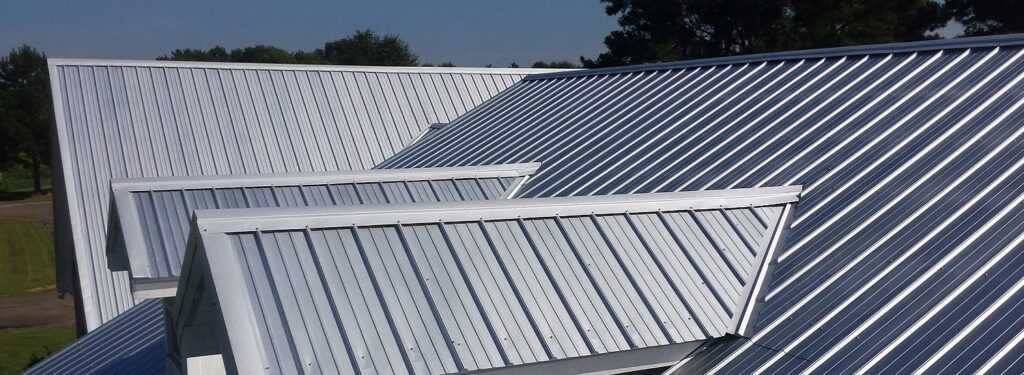
Metal fabrication is the process of building metal structures by cutting, bending, and assembling them. It can be used to create everything from jewellery to buildings. The metal fabrication industry is expected to grow in the next decade as more and more companies use metal fabrication to create products.
The History of Metal Fabrication
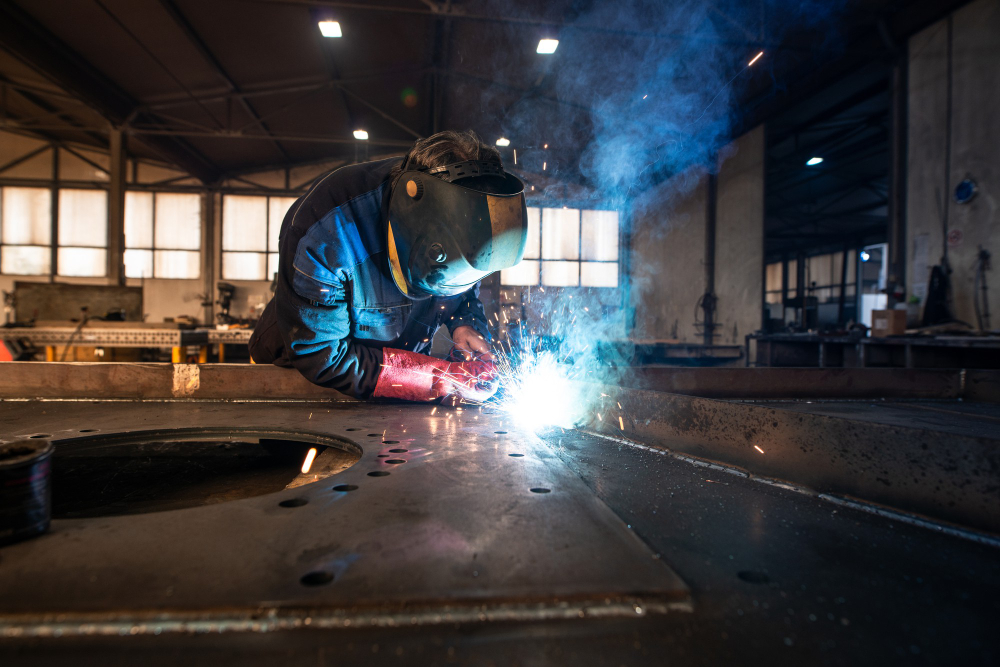
Metal fabrication is the process of building metal structures by cutting, bending, and assembling. It is a versatile process that can be used to create a wide variety of products, from small parts and components to large buildings and bridges.
The history of metal fabrication can be traced back to the ancient world when metals were first used for tools and weapons. In the centuries that followed, metalworking became increasingly sophisticated, with new techniques and tools being developed to work with ever-larger and more complex structures. During the Industrial Revolution, metal fabrication played a vital role in the construction of factories, railways, and other infrastructure projects. Today, it remains an essential part of the manufacturing process, with modern fabricators using computer-aided design (CAD) and computer-aided manufacturing (CAM) to create precision parts and products.
The Different Types of Metal Fabrication
There are four main types of metal fabrication: milling, casting, stamping, and welding.
Milling is a process that uses rotary cutters to remove material from a workpiece. Milling can be done with a wide variety of machines, including lathes, drill presses, and routers.
Casting is a process in which molten metal is poured into a mould and allowed to solidify. The most common type of casting is sand casting, in which sand is used as the mould material.
Stamping is a process in which metal sheets are plastically deformed to create parts with specific shapes. Stamping can be done with hydraulic presses or stamping dies.
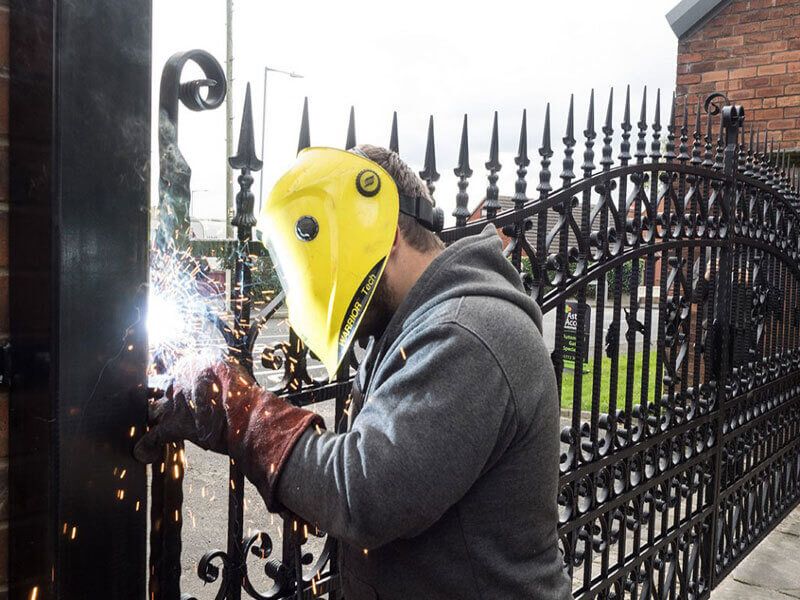
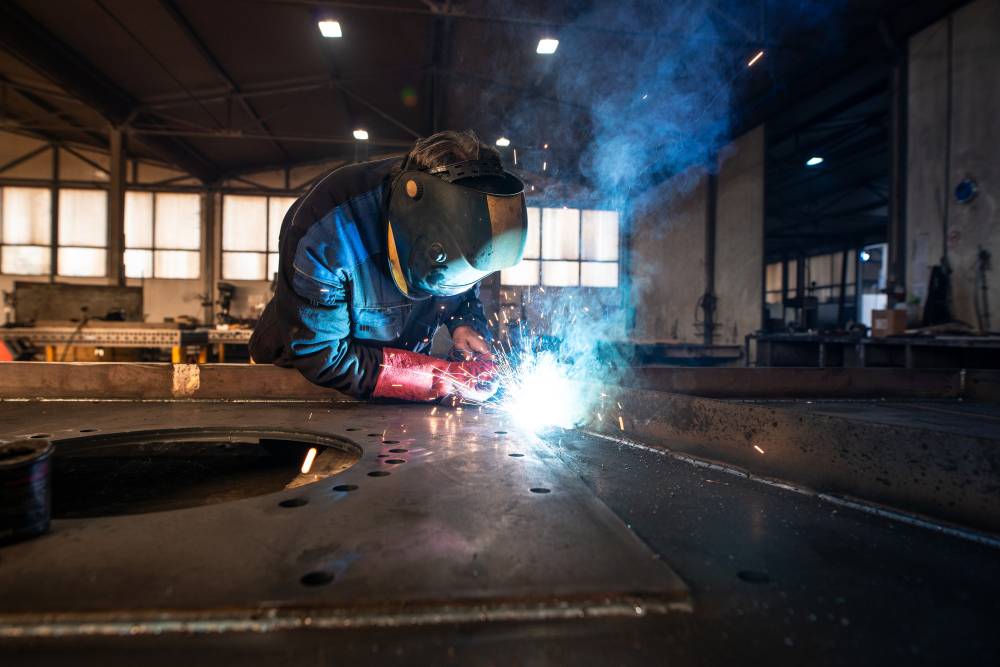
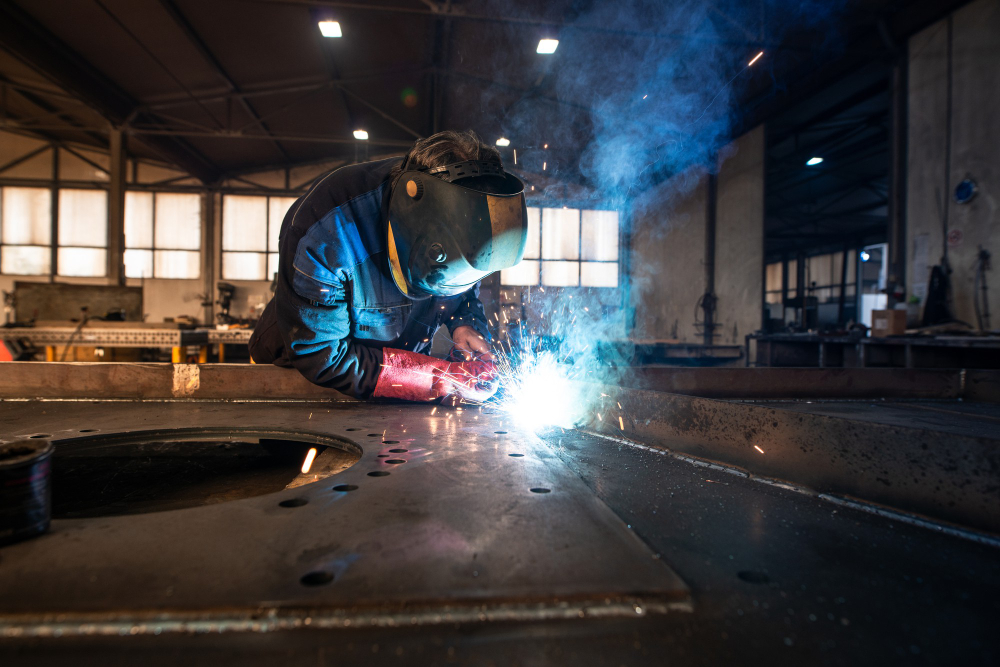
Welding is a process in which two pieces of metal are joined together by heating them to the melting point and then applying pressure. Welding can be done with many different types of equipment, including arc welders, oxy-acetylene torches, and spot welders.
The Future of Metal Fabrication
As the world progresses, so does the metal fabrication industry. New technologies and methods are constantly being developed to make the process more efficient and produce better results.
One major area of advancement is in the area of computer-aided design (CAD) and computer-aided manufacturing (CAM). These technologies allow for greater accuracy and precision in the design and manufacture of metal parts. In addition, they allow for faster turnaround times and lower costs.
Another area of advancement is in the use of alternative metals. With the ever-increasing cost of traditional metals such as steel and aluminium, more companies are exploring the use of other materials such as titanium, magnesium, and even plastic. These alternative materials often have superior properties that make them ideal for certain applications.
Finally, there is an increasing focus on sustainability in the metal fabrication industry. Many companies are now looking for ways to reduce their environmental impact by recycling materials or using more environmentally friendly processes. This trend is likely to continue as public pressure for more sustainable practices increases.
Need Metal Welding Work?
Our expert welders are ready to help with your project. Call us now for a free quote.
Call Us NowMetal Fabrication Careers
Metal Fabrication is a process where raw materials are cut, shaped, and formed into finished products. It is a growing industry with many career opportunities.
There are many different types of metal fabrication, but all require a high level of precision and skill. The most common type of metal fabrication is welding. Welders use heat to join together pieces of metal. This can be done by using an electric arc, gas flame, or laser. Other types of metal fabrication include cutting, bending, and forming.
Metal fabricators can work in a variety of settings, including factories, workshops, and construction sites. They often work with other tradespeople, such as engineers and architects.
The demand for skilled metal fabricators is expected to continue to grow in the coming years. This is due to the increasing popularity of steel and aluminium construction, as well as the need for more infrastructure projects in developed countries. There are many career opportunities available for those with the skills and training necessary to succeed in this field.
Sector Characteristics
In general, the metal fabrication industry comprises establishments that primarily fabricate, process, or assemble metal products. These products may include metal containers, such as barrels and drums; implements, such as agricultural equipment, construction machinery, and hand tools; transportation equipment components; metal office furniture; and thousands of other types of manufactured goods (NAICS 331110).
The industry’s end products are varied and broadly used. Many fabricated metal products are ultimately incorporated into larger assemblies or components for other industries. For example, fabricated metal parts may become part of a truck engine assembled by an original equipment manufacturer (OEM) or they may be used in the construction of a skyscraper.
The vast majority of firms in the industry are small businesses. In 2017, small businesses accounted for 99.9 per cent of all firms in the US metal fabrication industry. The largest 100 firms in the industry accounted for only about 20 per cent of total revenue in 2017.
As is true in many manufacturing industries, a relatively small number of large firms dominate the US metal fabrication industry.

A Look at the Future
As the world progresses, so does the metal fabrication industry. With new technology and processes being developed all the time, the future of metal fabrication is looking very bright.
One of the biggest changes we are likely to see in the next few years is a move towards more automated processes. This will help to improve efficiency and accuracy, while also reducing costs. Additionally, new software developments will make it easier to design and simulate projects before they are even built, which can save a lot of time and money.
3D printing is another area that is set to change the metal fabrication industry. This technology has already been used to create some incredible structures and with further refinements, it will become even more widely used. 3D printing offers a huge amount of potential for customisation and intricate designs, so we are likely to see some amazing creations in the future.
The metal fabrication industry is always evolving and improving, so there is no doubt that the future looks very exciting indeed. With new technology and processes being developed all the time, we can look forward to seeing some amazing advances in this field in the years to come.
Key Takeaways
- ✓ Always use proper safety equipment when welding or working with metal
- ✓ Choose the right welding technique for your specific material and project
- ✓ For professional results, contact licensed and certified welders
Need help with your project? Call Sydney Welding on 0426 416 748 for a free quote.

Conclusion
The metal fabrication industry is constantly evolving and changing. As new technology arises, the industry must adapt to stay afloat. This can be seen in the recent shift from manual labour to automated machines. By understanding what metal fabrication is and where the industry is headed, you can be better prepared for a career in this field.
Our Welding Services
Looking for professional welding work? Check out our full range of services.
Request a FREE Quote!
Or call us directly on 0426 416 748
More Welding Guides

4 Different Types of Welding Processes
The welding process is an important one in the manufacturing industry. It s a method used to join two or more pieces of metal together by using heat and pressure. The pressure is applied with an electrode, which is then connected to a power source. Welding is used in a variety of industries, including construction, automotive, aerospace, and more. It s a versatile process that can be used to create everything from small parts to large structures. There are four different types of welding process
Read Guide
4 Types of Steel: What Makes Them Different?
Steel is one of the most common materials used in manufacturing and construction. It s strong, durable, and versatile, which makes it ideal for a wide range of applications. But did you know that there are different types of steel? In this blog post, we ll be taking a look at four of the most common types of steel and what sets them apart. Carbon Steel Carbon steel is one of the most common and versatile types of steel. It s composed of iron and carbon, which gives it a wide range of properties
Read Guide
Different Sorts Of Steel Metals
If you re in the steel market, you might be overwhelmed by all of the available different types. How do you know which one is right for your project? In this blog post, we will explore the four most common types of steel and their key differences. From carbon steel to stainless steel and more, read on to learn about each type of steel and what sets it apart from the rest. There are dozens of types of steel, each with unique chemical and physical properties. In this article, we ll take a look at
Read Guide
Which Metal Will Burn? Australian General Engineering
Which Metal Will Burn? Australian General Engineering Have you ever wondered which metal will burn? We all know that metal is a good conductor of heat, but did you know that some metals are more flammable than others? In this blog post, we ll take a look at the different flammability levels of various metals, so you can be informed the next time you re working with them. We ll also explore how to extinguish a metal fire, in case you ever find yourself in that situation. What is the Difference Be
Read GuideWhat things need to be considered for Welding Goggles ?
There are a lot of things that need to consider before purchasing welding goggles. In this blog post, we will discuss those things in detail so that you can make an informed decision. The first thing that you need to consider is the type of welding torch you will be using. There are two types of welding torche's available in the market gas and plasma. If you are using a gas welding torch, then you need to purchase gas welding goggles. On the other hand, if you are using a plasma welding torch, th
Read Guide
What's the Best Way to Cut Steel Wire Rope?
What is the process of Cut Steel Cable? Cutting steel cable is a process that requires the use of a specialized cutting tool. The most common type of cutting tool for this purpose is a rotary cutter, which uses a rotating blade to cut through the cable. There are also handheld cutting tools available that can be used to cut steel cables, but these are not as common. To cut steel cable with a rotary cutter, first make sure that the cutting tool is properly positioned and secured. Next, align the
Read Guide